


Best Korean Skincare for Acne-Prone Skin and Breakouts
Cecilia W.A PRACTICAL BREAKOUT-CARE GUIDE
What is the best Korean skincare routine for breakouts and acne-prone skin?
If your skin keeps moving between clogged pores, red bumps, and marks that linger after a blemish, the answer is usually not a bigger routine. A useful Korean skincare approach pairs gentle cleansing, one targeted leave-on step, comfortable moisture, and sunscreen. Add a first cleanse when you wear sunscreen or makeup, a hydrocolloid patch for a surface blemish, and AHA/BHA only when rough texture or congestion calls for it.
This Korean skincare routine for acne-prone skin helps you identify what you are seeing first, understand why breakouts happen, then choose ingredients, formulas, and products that make sense for the job. The goal is a routine you can repeat without treating every bump as dirt or every active as something to layer at once.
What does acne-prone skin actually mean?
Acne-prone skin is skin that tends to develop clogged pores or inflamed blemishes more easily. It is a pattern, not a diagnosis, and it can look different from person to person. Some people mainly see blackheads and whiteheads; others notice red, tender bumps; many see a mixture of active breakouts and flat marks left behind by older ones.
Before choosing a product, separate the concern into four practical categories. That small distinction keeps you from reaching for an exfoliating pad when what you really need is a gentle cleanser, a patch, or a calmer moisturizer.
NON-INFLAMED CLOG
Blackheads and whiteheads
A blackhead is an open comedone with a darkened surface. A whitehead is a closed comedone that looks like a small flesh-colored or white bump. Both involve buildup inside a follicle, but neither is simply dirt sitting on top of the skin.
INFLAMED BREAKOUT
Red or tender blemishes
Redness, swelling, tenderness, or a pus-filled bump suggests inflammation. A clogged follicle can contribute to a breakout, but inflamed acne is not a signal to scrub harder or keep adding exfoliants.
AFTER THE BREAKOUT
Post-acne marks
A flat brown, gray, pink, or red mark is a color concern rather than an active clog. It may need a different ingredient path and realistic expectations. Our dark-spots guide explains PIH versus acne-scar texture.
NORMAL PORE STRUCTURE
Sebaceous filaments
Tiny, even dots around the nose or chin may be sebaceous filaments, which are normal structures that help move sebum toward the surface. They can look less noticeable, but skincare cannot permanently erase them.
Why do breakouts happen?
Think of a pore as a small channel connected to an oil gland. Your skin produces sebum and sheds cells continuously. When that mixture does not move out smoothly, it can collect inside the follicle and form a clog.
If the opening remains open, the clog may look like a blackhead. If the opening is covered, it may look like a whitehead. If the follicle becomes inflamed, the concern can become red, swollen, or tender. Hormonal shifts, genetics, oil production, friction, sweat, stress, hair products, and irritating or heavy formulas can all influence the pattern. A cleanser can remove daily residue, but it cannot control every cause of acne.
That is why the routine should be built around jobs rather than promises: remove what needs to be removed, use one targeted step for the concern, support comfort, and protect the morning routine from sun exposure.
Which ingredients and formulas make sense for breakouts?
Once you know what you are trying to change, ingredient choice becomes much easier. The most useful routine usually has one focused treatment path, not several competing actives. Formula texture, contact time, frequency, and your skin's tolerance matter just as much as the ingredient name.
Gentle cleansing: remove residue without creating a new problem
A cleansing oil can loosen sunscreen, makeup, excess oil, and daily buildup when you need a first cleanse. A water-based cleanser then removes remaining surface residue. The goal is skin that feels clean and comfortable, not squeaky, tight, or stripped. If you did not wear sunscreen or makeup, you may not need an oil cleanser every evening.
Azelaic acid: one leave-on path for blemish-prone and uneven-looking skin
Azelaic acid is a useful option when breakouts overlap with visible redness or marks left after blemishes. In cosmetic skincare, it is used to support a calmer, more even-looking complexion. The featured ANUA formula lists 10% azelaic acid alongside hydrating and soothing ingredients, so it fits as one focused serum step rather than a reason to layer several acids.
Salicylic acid: an oil-compatible exfoliating role
Salicylic acid is a beta hydroxy acid, or BHA. Because it is oil-compatible, it is commonly used in formulas designed for excess oil and pore congestion. It can help loosen the buildup that makes blackheads, whiteheads, and rough texture look more noticeable. A leave-on pad has more contact time than a rinse-off cleanser, so start gradually and do not treat it as an everyday requirement.
Lactic acid: surface texture support
Lactic acid is an alpha hydroxy acid, or AHA. Its main cosmetic role is at the skin surface, where it helps loosen built-up dead cells and smooth the look of rough texture. When a product combines lactic acid and salicylic acid, think of it as a planned exfoliating step with two different jobs, not as a signal to add another acid on top.
Niacinamide, panthenol, and ceramides: support the routine around the active
Barrier-supporting and comfort-focused ingredients can make an active routine easier to repeat. Niacinamide is commonly used in formulas for oil balance and an even-looking complexion; panthenol and ceramides help skin feel comfortable and moisturized. They do not replace acne treatment, but they can help keep the surrounding routine from becoming unnecessarily harsh.
Hydrocolloid: hands-off care for an individual surface blemish
A hydrocolloid patch creates a simple cover over a surface blemish and can help discourage touching or picking. It is a spot-care format, not a full-face routine and not a solution for deep or widespread acne. Apply it to clean, completely dry skin before moisturizer or makeup, with no skincare underneath the patch.
For a side-by-side starting point, explore ingredients for pores and texture, including azelaic acid and AHA/BHA, with product formats and routine placement.
What is the science behind the routine?
Each step below has a different job. Thinking in roles helps you choose the right product without expecting a cleanser to behave like a leave-on active or a pimple patch to treat every kind of acne. Dermatology guidance from the American Academy of Dermatology and ingredient references such as DermNet's salicylic-acid overview can help you distinguish cosmetic routine support from medical treatment.
| What you notice | What the formula is doing | Routine role | What it cannot do |
|---|---|---|---|
| Sunscreen, makeup, or a coated feeling | An oil cleanser loosens oil-soluble buildup so it can emulsify and rinse. | Evening first cleanse when needed. | It is not a leave-on acne treatment. |
| Daily residue or excess surface oil | A water-based cleanser washes away remaining surface buildup. | Morning or evening cleanse, according to skin feel and directions. | It cannot control every hormonal or inflammatory cause of acne. |
| Blackheads, whiteheads, or rough congestion | BHA is more compatible with oily pore contents; AHA works mainly at the surface. | Planned exfoliation after cleansing. | More frequent use is not automatically better and may irritate. |
| Redness, blemish-prone skin, or post-blemish uneven tone | Azelaic acid is a focused leave-on ingredient path for the look of blemishes and uneven tone. | After toner and before moisturizer. | It is not a substitute for medical care when acne is persistent or severe. |
| One surface blemish you keep touching | Hydrocolloid creates a hands-off cover over a clean, dry spot. | Before moisturizer or makeup. | It is not designed for every deep, painful, or closed bump. |
| Dryness, tightness, or irritation around active steps | Moisturizing ingredients help the skin feel comfortable and supported. | After treatment, as the final cream step. | A moisturizer cannot erase a clog by itself. |
The format changes the experience. A rinse-off cleanser has short contact time. A pre-soaked pad stays on the skin longer. A serum remains in place, so it should be introduced more deliberately. That is why the same ingredient family can fit very differently depending on the formula.
Which Korean skincare products are best for acne-prone skin and breakouts?
The products below are not a universal acne treatment plan. They show how different formats can serve different jobs in a routine: cleansing, one targeted serum, planned exfoliation, hands-off spot care, barrier support, and morning sunscreen. Choose the step that matches your concern instead of buying every active at once.

EVENING CLEANSING SUPPORT
ANUA Heartleaf Double Cleansing Duo for Pores + Excess Oil
Choose this if sunscreen, makeup, or daily buildup is part of the breakout pattern. The oil step loosens oil-soluble residue on dry skin, while the foam follows on wet skin to rinse away remaining surface buildup. The cleansing oil contains fragrance, so fragrance-sensitive shoppers should review the current formula.
Routine placement: Evening when needed: oil first on dry skin, emulsify and rinse, then foam on wet skin.
View double-cleansing duo →
TARGETED LEAVE-ON STEP
ANUA Azelaic Acid 10 Hyaluron Redness Soothing Serum 30ml
Choose this if blemishes overlap with visible redness or uneven-looking post-blemish tone. The formula lists 10% azelaic acid with hyaluronic acid, panthenol, centella, and other soothing ingredients in a fragrance-free, non-comedogenic fluid texture.
Routine placement: After cleansing and toner, before moisturizer; start 1 to 2 times weekly and increase as tolerated.
View azelaic serum →
PLANNED EXFOLIATING STEP
medicube Zero Pore Pad 2.0, 70 Pads
Choose this when rough texture, visible pores, blackheads, or oil-related congestion are the main concern. The formula lists 4.5% lactic acid AHA and 0.45% salicylic acid BHA, so the surface and pore-care roles are clear. It also contains alcohol denat. and citrus and aromatic oils.
Routine placement: After cleansing on planned exfoliation nights, before serum or moisturizer; begin a few times weekly.
View pore pads →
HANDS-OFF SPOT CARE
#OOTD Star Spot Pimple Patch, 80 Dots
Choose this for an individual surface blemish you keep touching. The 80-dot hydrocolloid format creates a visible cover, while the formula lists niacinamide and ceramide NP. It is a practical spot-care step, not a full-face acne routine.
Routine placement: On clean, completely dry skin before moisturizer or makeup; do not apply skincare underneath.
View pimple patches →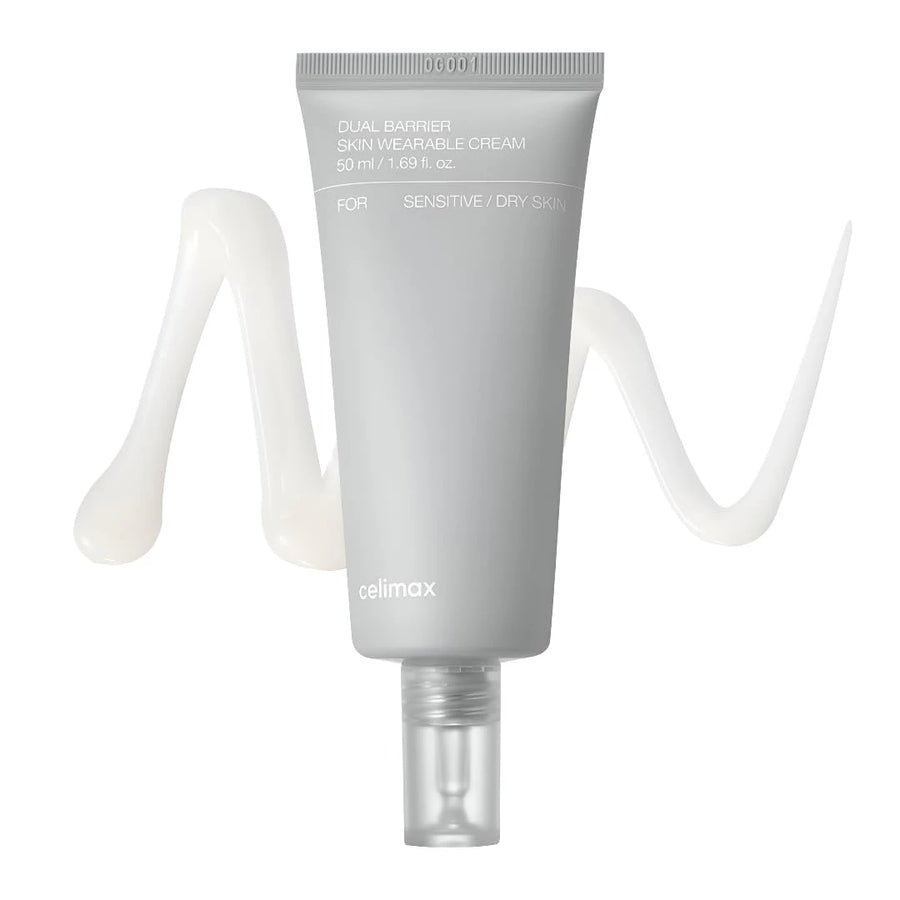
BARRIER-SUPPORTING MOISTURE
celimax Dual Barrier Skin Wearable Cream, 50ml
Choose this when an active routine leaves your skin feeling tight or when you want a more supportive final cream step. The fragrance-free formula is positioned around ceramides, cholesterol, and panthenol for a soft, comfortable finish.
Routine placement: After serum or exfoliation, as the final moisturizer step.
View barrier cream →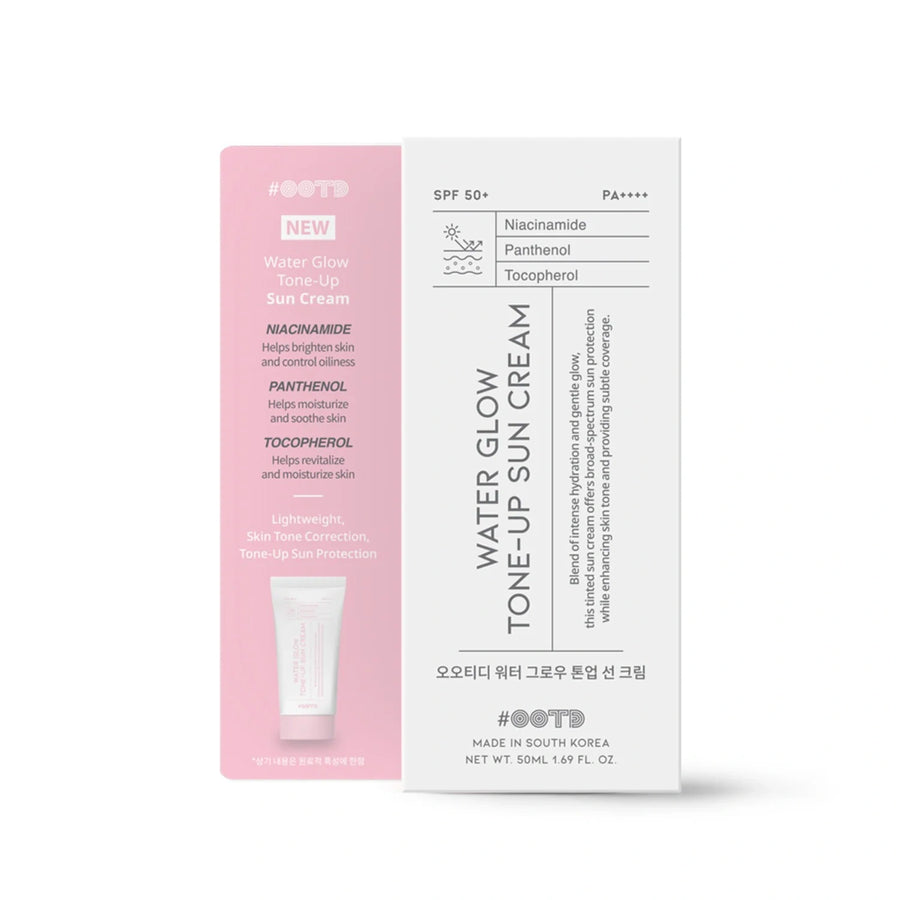
MORNING PROTECTION
#OOTD Water Glow Tone-Up Sun Cream SPF 50+ PA++++ 50ml
Choose this if you want a mineral SPF 50+ PA++++ step with a soft pink-salmon tone-up finish. The formula lists zinc oxide and titanium dioxide. The tone-up finish is a style choice, so check that it suits your skin tone and makeup routine.
Routine placement: Final morning skincare step, after moisturizer; reapply according to the label.
View sunscreen details →What makes this a Korean skincare routine?
Korean skincare is not a mandatory ten-step checklist. In this guide, the Korean approach means building a flexible, layered routine around skin comfort, targeted ingredients, and consistency.
That can look like an oil cleanse when sunscreen or makeup needs to be removed, a water-based cleanse, one focused serum or exfoliating step, moisturizer, and sunscreen. A watery toner or essence can be added for hydration, but it is optional. Some days you may use every step; other days you may only need a cleanser and moisturizer.
How to choose a breakout routine without overcomplicating it
Start with the concern you can see most clearly, then choose one product path that addresses it. The rest of the routine should make that step easier to tolerate and repeat.
- Mostly clogged pores, blackheads, or rough texture: prioritize appropriate cleansing and a planned AHA/BHA exfoliating step rather than scrubbing more often.
- Red blemishes or post-blemish marks: consider azelaic acid as one leave-on path, then support it with moisturizer and morning sunscreen.
- One surface blemish you keep touching: use a hydrocolloid patch as a protective, hands-off cover.
- Tightness, burning, or persistent stinging: pause the active step and return to cleansing, comfortable moisture, and sunscreen until skin feels settled.
Give the routine enough time to evaluate: first check comfort during 1 to 2 weeks, then look for a more consistent pattern around 4 to 6 weeks, and make a fuller decision around 8 to 12 weeks. If acne is painful, deep, widespread, or scarring, seek professional care rather than adding more cosmetic steps.
How to build a simple Korean skincare routine for breakouts
Start with the smallest routine that can answer your concern. The morning is mainly about comfort and protection; the evening is where you remove buildup and choose one targeted path.
Morning routine
- Cleanse only as much as you need. Use a gentle water-based cleanser if your skin feels oily or coated. If your skin feels comfortable and you did not wake up with heavy residue, a rinse may be enough.
- Choose one targeted step. If you are using ANUA Azelaic Acid 10, apply it after toner and before moisturizer. Start gradually rather than applying it twice daily on the first day.
- Moisturize if your skin needs it. A light cream or barrier-supporting moisturizer can make the rest of the routine easier to tolerate, even when your skin is oily.
- Finish with sunscreen. Apply broad-spectrum sunscreen as the final morning skincare step. Sun protection matters when breakouts leave visible marks, and it protects the skin while you use exfoliating products.
Evening routine
- Double cleanse when sunscreen or makeup is present. Use the oil cleanser from the ANUA Double Cleansing Duo on dry skin, add water to emulsify, rinse, then follow with the foam cleanser on wet skin. If you did not wear those products, a single cleanse may be enough.
- Choose one treatment night. On an azelaic-acid night, apply the serum after cleansing and toner. On a pore-pad night, use the medicube pad after cleansing and follow with moisturizer. Do not assume that using both in one night will make the routine work faster.
- Cover an individual surface blemish. Apply the #OOTD hydrocolloid patch to clean, dry skin before moisturizer or makeup. Keep creams and serums off the area under the patch.
- Finish with comfortable moisture. Use your moisturizer after the treatment step. If skin feels tight, raw, or persistently stingy, pause the active step and simplify.
For the broader order of cleanser, toner, serum, moisturizer, and sunscreen, use the K-Beauty Routine Guide. For a closer look at the evening cleanse, read How to Double Cleanse.
How often should you use breakout-care products?
Cleansing frequency depends on what is on your skin. Treatment frequency depends on how your skin responds. More steps and more frequent use are not automatic shortcuts to clearer-looking skin.
| Product type | Start here | Adjust when |
|---|---|---|
| Cleansing oil | Use in the evening when you wore sunscreen, makeup, or need a first cleanse. | Skip it on simple days when your skin does not need that extra step. |
| Water-based cleanser | Use morning or evening according to the product directions and how your skin feels. | Reduce cleansing intensity if skin feels tight or squeaky. |
| Azelaic acid serum | Begin 1 to 2 times weekly after toner, then increase gradually as tolerated. | Increase only when the routine remains comfortable; follow the product label. |
| AHA/BHA toner pad | Start a few times weekly after cleansing, as the medicube directions state. | Do not use on freshly shaved, irritated, or sunburned skin, and do not stack with another exfoliating active. |
| Hydrocolloid patch | Use on a clean, dry individual surface blemish for several hours or overnight. | Replace when it no longer adheres well or has absorbed moisture. |
If you already use a retinoid, benzoyl peroxide, or another exfoliating acid, check those directions before adding a pore pad or azelaic acid. When you are unsure how to combine products, separate the steps and ask a dermatologist or pharmacist.
How do you apply these breakout-care products?
Each featured product has a different job, so application order and frequency matter. Use the concern that brought you to this guide as the starting point, then add only the steps your skin can comfortably repeat.
| Product | When to use it | How to apply it | What to remember |
|---|---|---|---|
| ANUA Double Cleansing Duo | Evening, when sunscreen, makeup, or daily buildup is present. | Massage the oil over dry skin, add water to emulsify, rinse, then use the foam cleanser on wet skin. | Double cleansing is situational. A single cleanse may be enough on simple days. |
| ANUA Azelaic Acid 10 | After cleansing and toner, before moisturizer. | Apply a small amount as one leave-on step. Start 1 to 2 times weekly and increase only as tolerated. | Use it on separate nights from the medicube exfoliating pad while you evaluate comfort. |
| medicube Zero Pore Pad | Planned exfoliation nights after cleansing. | Gently swipe or press the pre-soaked pad according to the product directions, then follow with moisturizer. | Do not scrub or stack it with azelaic acid, retinoids, benzoyl peroxide, or another exfoliating acid. |
| #OOTD Star Spot Patch | For one surface blemish you want to protect from touching. | Apply to clean, completely dry skin before moisturizer or makeup. Keep skincare off the area beneath the patch. | It is spot care for a surface blemish, not a treatment for deep, painful, or widespread acne. |
| celimax Dual Barrier Cream | After serum or another treatment step, morning or evening. | Apply a comfortable layer as the final moisturizing step. Use less or more depending on how your skin feels. | Comfortable moisture helps support consistency, including when skin is oily or using actives. |
| #OOTD Water Glow Tone-Up Sun Cream | Every morning as the final skincare step. | Apply an even, generous layer over the face and reapply according to the product directions when outdoors. | Sun protection helps keep post-acne marks from appearing darker; tone-up coverage is cosmetic, not acne treatment. |
Think of the routine as a set of choices, not six mandatory steps. A realistic starting combination might be cleanser, moisturizer, and sunscreen every day, with either azelaic acid or the exfoliating pad added gradually. Use the patch only where you need hands-off spot care.
What should you expect from an acne-prone skincare routine?
The first useful sign may be comfort: less coated skin after cleansing, a smoother surface, and a routine that does not leave you tight or irritated. That is worth noticing before you judge whether a product is changing the appearance of breakouts.
Use the first 1 to 2 weeks to check tolerance. If your skin feels calm, look at the pattern around 4 to 6 weeks: are new breakouts less frequent, is the texture easier to manage, and can you use the routine consistently? Make a fuller decision around 8 to 12 weeks rather than changing products every few days. These checkpoints are practical, not guarantees for every person or every type of acne.
Blackheads, whiteheads, and blemishes can return because skin continues to produce oil and shed cells. A routine can support a more balanced-looking complexion, but it cannot permanently erase pores or guarantee that breakouts will never happen. Flat marks after acne may also need a separate tone-care plan; indented or raised texture is a different concern.
If breakouts are painful, deep, widespread, scarring, suddenly changing, or not improving with a consistent routine, consider seeing a dermatologist. That is not a failure of your skincare; it is a sign that the concern may need medical assessment.
Frequently asked questions
Use these answers to decide which step belongs in your routine now, and which step can wait.
Is Korean skincare good for acne-prone skin?
It can be, especially when you use Korean skincare as a flexible routine rather than a ten-step checklist. Start with gentle cleansing, one targeted leave-on step, comfortable moisturizer, and sunscreen. Choose formulas by your concern and skin tolerance, and remember that cosmetic skincare is not a complete treatment plan for persistent or severe acne.
What is the best Korean skincare for breakouts?
There is no single best product for every breakout. A useful starting routine is a gentle cleanser, one leave-on ingredient such as azelaic acid, moisturizer, and morning sunscreen. Add a hydrocolloid patch for an individual surface blemish, or a planned AHA/BHA step when rough congestion is the concern.
Should acne-prone skin double cleanse?
Double cleanse in the evening when you wore sunscreen, makeup, or a product that leaves a film. Use the cleansing oil first on dry skin, emulsify and rinse, then follow with a water-based cleanser. If you did not wear those products and your skin feels clean, you may not need an oil cleanser every night.
Is azelaic acid or salicylic acid better for breakouts?
They solve different routine jobs. Azelaic acid is a leave-on option for the look of blemishes, redness, and uneven tone. Salicylic acid is an exfoliating BHA used for oil-related congestion. Choose one path first instead of stacking several new actives, then follow the product directions and your skin's response.
Can I use ANUA azelaic acid with medicube Zero Pore Pad?
You can decide where each step fits, but you do not need to use them in the same routine. Start the azelaic acid and the AHA/BHA pad on separate nights so you can evaluate comfort. If you already use a retinoid, benzoyl peroxide, or another acid, check those directions or ask a dermatologist or pharmacist before combining products.
Do hydrocolloid patches work for every pimple?
Hydrocolloid patches are most useful as a hands-off cover for individual surface blemishes that have fluid or are easy to touch. They do not replace acne treatment and are not a reliable solution for deep, painful, or widespread breakouts. Apply them to clean, completely dry skin before moisturizer or makeup.
Should I moisturize if my skin is oily or breaking out?
Usually, yes. A comfortable moisturizer can make an active routine easier to tolerate, even when your skin looks oily. Choose a texture that feels light enough for you, apply it after your targeted step, and avoid responding to oiliness by repeatedly washing or scrubbing.
How long should I try an acne-prone skincare routine?
Use the first 1 to 2 weeks to judge comfort and irritation. If your skin feels calm, evaluate the pattern around 4 to 6 weeks, then make a fuller decision around 8 to 12 weeks of consistent use. These are practical checkpoints, not guarantees. Stop sooner for burning, swelling, rawness, or persistent stinging.
When should I see a dermatologist for breakouts?
Consider professional care for painful or deep bumps, widespread or scarring acne, sudden persistent changes, or breakouts that are not improving with a consistent routine. A dermatologist can identify the type of acne and discuss treatment options that cosmetic skincare cannot provide.
Shop Korean skincare for breakouts with clarity
Choose the routine step that matches the concern, then open the product page for the current directions, formula, texture, and availability.
Start with the step your skin actually needs
Choose a gentle cleanse, one focused active, hands-off spot care, or barrier support. You can build from there without turning every breakout into a ten-step project.


